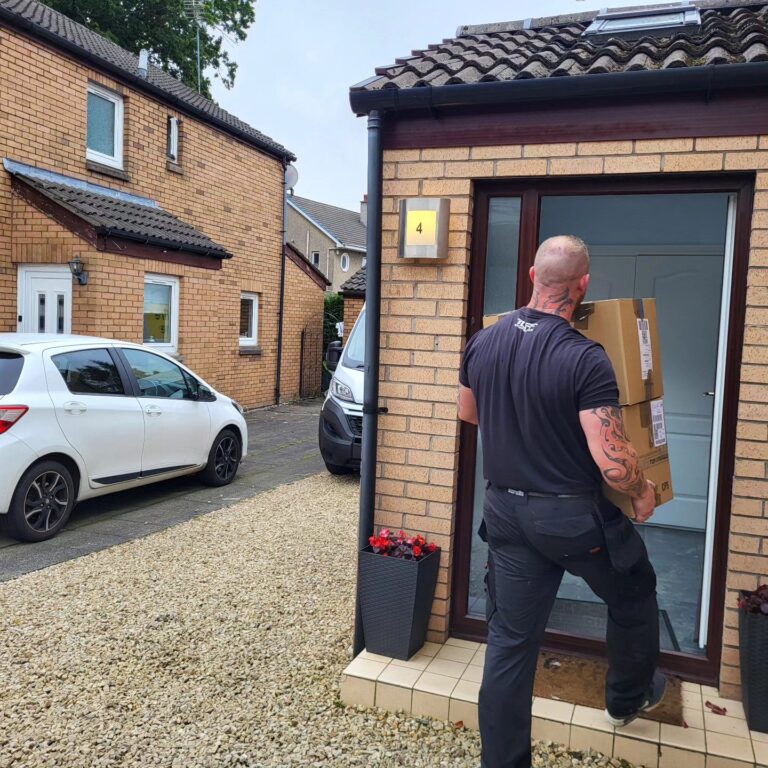
Moving house can be emotional at any age, but helping elderly parents move can bring extra practical and personal challenges. There may be years of belongings to sort through, familiar routines to change and sensitive decisions to make about what should come to the new home. The move might be happening because of downsizing, health needs, a change in family circumstances or simply because a smaller, more manageable property now makes sense.
Whatever the reason, the key is to approach the move with patience, planning and respect. For many older people, a home is not just a property. It is a place filled with memories, family moments, routines and independence. Even when the move is the right decision, it can still feel unsettling.
At Pivot Removals Ltd, we understand how important it is to handle these moves with care. We help families across Glasgow and the surrounding areas plan practical, organised and considerate removals. Whether your parent is moving to a smaller home, sheltered accommodation, assisted living or closer to family, our team can support the process from packing to moving day.
If you are arranging home removals in Glasgow, this guide will help you plan an elderly parent’s move in a calm and manageable way.
Start the conversation early
The earlier you can start talking about the move, the better. Leaving everything until the last few weeks can make the process feel rushed and stressful, especially if your parent has lived in the same home for many years.
Try to have open, gentle conversations about why the move is happening and what needs to be done. Your parent may be excited, relieved, anxious, upset or a mixture of all these feelings. Give them time to talk about their concerns and avoid making every conversation about tasks and deadlines.
Helpful things to discuss early include:
- Why the move is happening
- Where they are moving to
- What they are looking forward to
- What they are worried about
- Which belongings matter most to them
- What support they would like from family
- How involved they want to be in decisions
- What timescale feels manageable
Some elderly parents will want to be closely involved in every decision. Others may feel overwhelmed and prefer family members to take the lead. It is important to listen and agree on a way forward that feels respectful.
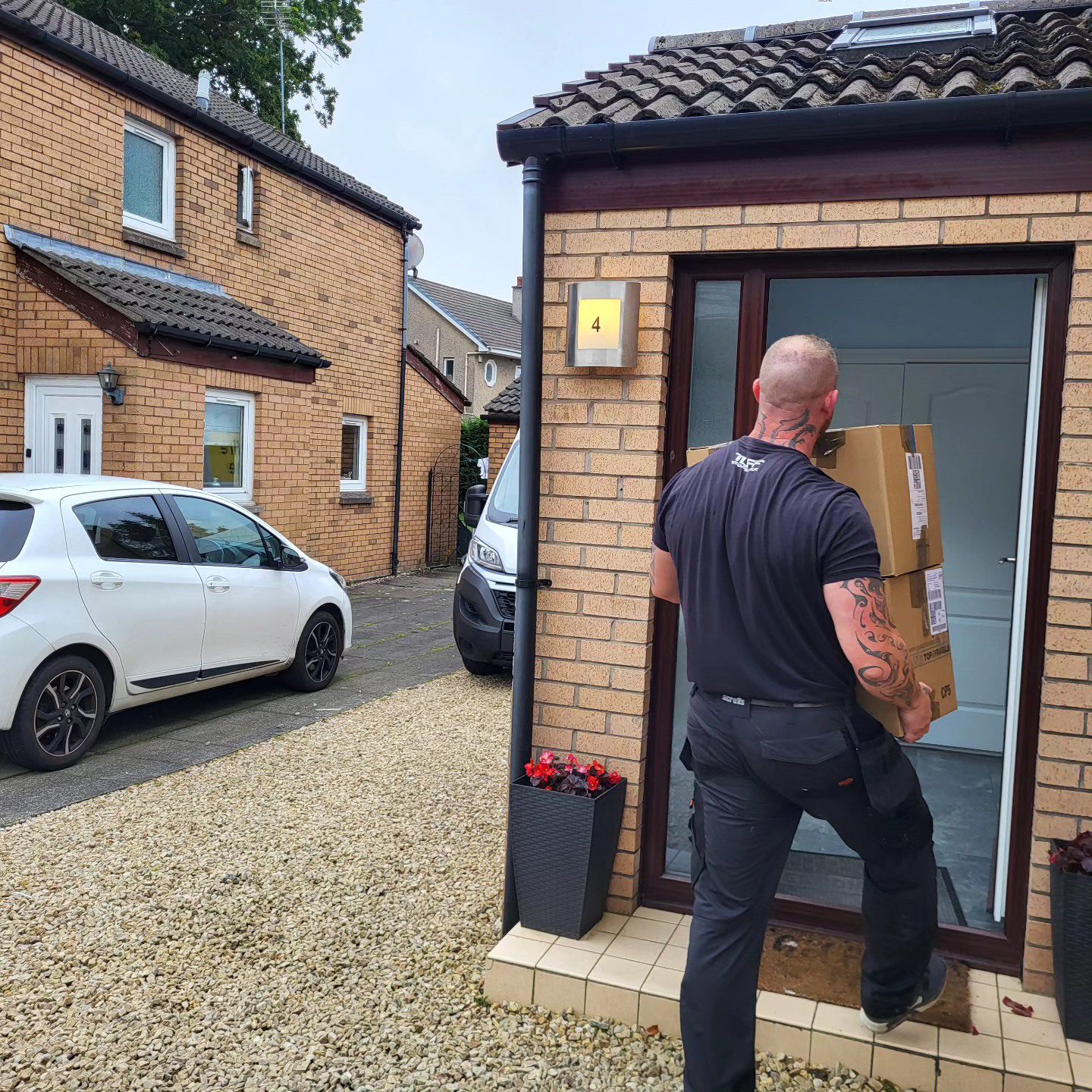
Make a simple moving plan
Once the move is confirmed, create a simple written plan. This helps everyone understand what needs to happen and avoids confusion between family members.
The plan does not need to be complicated. It should simply set out the main tasks, who is responsible for each one and when they need to be done.
Your plan might include:
- Sorting belongings room by room
- Booking the removal company
- Arranging packing help
- Measuring furniture for the new home
- Notifying utility providers
- Updating addresses
- Cancelling or transferring services
- Arranging cleaning
- Organising medication and medical records
- Planning moving day transport
- Preparing an essentials bag
- Checking access at both properties
If several family members are helping, make sure responsibilities are clear. One person might handle paperwork, another might help with sorting belongings and another might liaise with the removals team.
As an experienced Glasgow removal company, Pivot Removals Ltd can help you plan the removals side of the move so your family has one less thing to worry about.
Take time to sort belongings carefully
Sorting belongings can be the most emotional part of helping an elderly parent move. Many older people have collected furniture, photographs, letters, ornaments, books, clothes and household items over decades. It is rarely just clutter. Many items have a story behind them.
Try not to rush this stage. If possible, start several weeks or months before the move. Work through one room, cupboard or category at a time rather than trying to sort the whole house in one weekend.
A useful approach is to divide items into categories:
- Items to take to the new home
- Items to give to family
- Items to donate
- Items to sell
- Items to recycle
- Items to dispose of
- Items that need more thought
The final category is important. Some decisions may take time. If your parent is unsure about a sentimental item, avoid forcing an immediate choice unless there is a real deadline. Taking photographs of larger items can also help preserve memories when the item itself cannot be kept.
Be realistic about the size of the new home
If your parent is downsizing, not everything will fit into the new property. This can be difficult, especially when furniture has been part of the family home for years.
Before deciding what to take, check the size and layout of the new home. Measure rooms, doorways, hallways and storage spaces. If possible, create a simple floor plan and mark where key furniture will go.
Pay close attention to:
- Bed size
- Sofa size
- Dining table size
- Wardrobes
- Sideboards
- Mobility space
- Access around chairs and beds
- Storage cupboards
- White goods
- Outdoor space
- Stairs, lifts or steps
It is important that the new home feels comfortable and safe, not overcrowded. Too much furniture can create trip hazards and make it harder to move around, particularly if your parent uses a walking stick, frame or wheelchair.
If a much-loved item is too large for the new home, consider whether another family member could keep it. This can make letting go easier.
Prioritise safety and comfort
When helping an elderly parent move, safety should be a major part of the planning. The new home needs to be practical for everyday living, not just visually familiar.
Think carefully about how your parent will use the space. Can they reach essential items easily? Is there enough room to move around? Are there loose rugs, trailing cables or awkward furniture positions that could cause trips?
Before or shortly after moving day, check:
- Lighting in hallways and bedrooms
- Access to the bathroom
- Access to the kitchen
- Position of the bed
- Position of favourite chairs
- Handrails where needed
- Clear walkways
- Flooring and rugs
- Door thresholds
- Heating controls
- Smoke alarms
- Carbon monoxide alarms
- Emergency contact details
The first few days in a new home can feel unfamiliar, so it helps to make the layout as easy as possible. Place everyday items where they are simple to find and avoid filling rooms with unopened boxes.
Decide whether professional packing help is needed
Packing can be physically demanding and time-consuming. For elderly parents, it may also be tiring or emotionally draining. Family members often want to help, but work, childcare and distance can make it difficult to do everything.
Professional packing support can make the move much easier. It can also reduce the risk of fragile items being damaged because belongings are packed securely and methodically.
Our packing services can help with:
- Full packing before moving day
- Partial packing for selected rooms
- Fragile item packing
- Kitchen packing
- Labelling boxes clearly
- Packing awkward household items
- Reducing stress for elderly customers and family members
Some families prefer to pack personal and sentimental items themselves, then ask us to help with the rest. This can be a good balance. It keeps important belongings in family hands while reducing the overall workload.
Keep sentimental items close
Sentimental items can help make the new property feel like home. Photographs, favourite ornaments, familiar bedding, books, artwork and keepsakes can all provide comfort during the first few days.
Consider packing a special box of meaningful items that can be unpacked early. This box should be clearly labelled and kept easy to access.
It might include:
- Family photographs
- Favourite ornaments
- A familiar blanket
- A favourite mug
- Books or puzzles
- Important letters
- Small keepsakes
- A clock or lamp from the old home
- A favourite cushion
- Religious or cultural items
- Items linked to daily routines
Unpacking these items early can make a big difference. Even if the rest of the home is still being organised, a few familiar things can help your parent feel more settled.
Prepare an essentials bag
An essentials bag is important for every move, but it is especially important when moving with an elderly parent. Moving day can be tiring and it may not be possible to unpack everything straight away.
Pack a bag or small box that stays with your parent or a family member throughout the day.
Include:
- Medication
- Glasses
- Hearing aids
- Mobility aids
- Phone and charger
- Important documents
- House keys
- A change of clothes
- Toiletries
- Snacks and drinks
- Tea bags or coffee
- A mug
- Nightwear
- Basic first aid items
- Emergency contact numbers
If your parent has carers, medical appointments or a regular medication schedule, make sure this information is clearly noted. Moving day should not disrupt essential care or medication routines.
Tell the removals team about any special requirements
Good communication with your removals company is essential. Before moving day, let the team know if there are any special requirements, access concerns or sensitive circumstances.
You may want to tell us about:
- Mobility issues
- Parking restrictions
- Stairs or lifts
- Fragile sentimental items
- Heavy furniture
- Items needing dismantling
- Any rooms that should be packed last
- Any items that should be unloaded first
- Whether your parent will be present on moving day
- Whether family members will be coordinating the move
This allows us to plan the move properly and work in a way that suits the situation. At Pivot Removals Ltd, we always aim to be considerate, practical and respectful when helping older customers move.
For carefully planned removals in Glasgow, giving us the right information before the day helps everything run more smoothly.
Choose what should be unloaded first
When your parent arrives at the new home, they will need certain areas ready as soon as possible. Rather than unloading everything randomly, think about what should be available first.
Priority items may include:
- Bed
- Bedding
- Favourite chair
- Kettle
- Medication
- Bathroom essentials
- Kitchen basics
- Clothing for the next day
- Important documents
- Mobility aids
- Phone charger
- Sentimental items box
Having the bed made, a comfortable chair in place and the kettle available can make the first evening much easier. These small things help create a sense of normality after a busy day.
If possible, label priority boxes clearly so they can be identified quickly.
Keep routines as normal as possible
Older people often rely on familiar routines. Moving can disrupt those routines, which may increase stress or confusion. Try to keep important daily habits as normal as possible before, during and after the move.
This might include:
- Usual meal times
- Medication times
- Rest periods
- Favourite television programmes
- Regular phone calls
- Visits from family
- Morning or evening routines
- Pet care routines
- Bedtime routines
Even small familiar habits can help your parent feel more secure. If the move is likely to be a long day, plan breaks and avoid expecting your parent to manage too much at once.
Arrange support for moving day
Moving day can be busy, noisy and tiring. If your parent is frail, anxious or easily overwhelmed, it may be better for them to spend part of the day away from the property.
Depending on their needs, you could arrange for them to:
- Stay with a family member
- Visit a friend
- Spend time at a quiet café with a relative
- Remain in one calm room until it is time to leave
- Travel separately from the removals vehicle
- Arrive at the new home once key furniture is in place
This is not about excluding them from the move. It is about protecting their comfort and wellbeing. Some elderly parents will want to be involved throughout, while others may cope better with a quieter role.
Make the decision based on their health, personality and preferences.
Update addresses and services early
There can be a lot of admin involved in helping an elderly parent move. Leaving it until after moving day can cause missed letters, service interruptions or confusion.
Make a list of organisations that need the new address.
This may include:
- GP surgery
- Dentist
- Pharmacy
- Hospital departments
- Local council
- Bank or building society
- Pension providers
- Insurance companies
- Utility providers
- Broadband and phone provider
- TV licence
- Electoral register
- Subscription services
- Friends and family
- Carers or support services
It may also be worth setting up mail redirection for a period after the move. This can help catch anything that has been missed.
Be patient after the move
Settling into a new home takes time. Even if the move has gone smoothly, your parent may still feel emotional, tired or uncertain afterwards. This is normal.
Try not to rush the unpacking process. Focus first on the rooms and items they need most. Bedrooms, bathrooms and the kitchen should usually take priority. Decorative items, spare rooms and less urgent boxes can wait.
In the first few weeks, help your parent gradually get used to:
- Where things are kept
- How heating works
- How locks and windows work
- Bin collection days
- Local shops
- Bus routes
- Medical services
- New neighbours
- Emergency contacts
- Any new care arrangements
Regular visits or phone calls can help them feel supported as they adjust. It may take a while before the new property truly feels like home.
Avoid common mistakes when helping elderly parents move
Families usually want to help, but moving can become stressful if decisions are rushed or communication breaks down.
Common mistakes include:
- Leaving sorting until the last minute
- Underestimating how emotional downsizing can be
- Trying to move too much furniture
- Packing important medication or documents
- Failing to measure the new property
- Not allowing enough time for rest breaks
- Assuming your parent does not want to be involved
- Ignoring access issues at either property
- Forgetting to label priority boxes
- Trying to do everything without professional help
A calm, organised approach is far better than a rushed one. Even when deadlines are tight, clear planning helps reduce pressure.
Why choose Pivot Removals Ltd for elderly parent moves?
At Pivot Removals Ltd, we know that moving an elderly parent is not just a practical job. It is often a family moment that needs care, patience and understanding.
We can help with the physical demands of the move, but we also understand the importance of working respectfully in someone’s home. Our team can help move furniture, boxes and household belongings carefully, while giving your family the space to focus on your parent’s comfort and wellbeing.
Whether your parent is downsizing, moving closer to family or starting a new chapter in a more suitable property, we can help make the removals process feel more manageable.
You can contact Pivot Removals to talk through the move, ask questions and get practical advice before booking.
Ready to Help Your Elderly Parent Move With Less Stress?
Helping an elderly parent move house takes patience, planning and sensitivity. There may be practical challenges, but there may also be strong emotions, important memories and difficult decisions along the way.
By starting early, sorting belongings carefully, keeping routines steady and choosing the right removals support, you can make the move calmer for everyone involved. Small details, such as preparing an essentials bag, unpacking sentimental items early and making sure the bed is ready on the first night, can make a real difference.
Pivot Removals Ltd is here to support families across Glasgow with careful, organised and considerate removals. Whether you need help with packing, moving day logistics or the full removals process, our team can help your parent move with confidence and care.