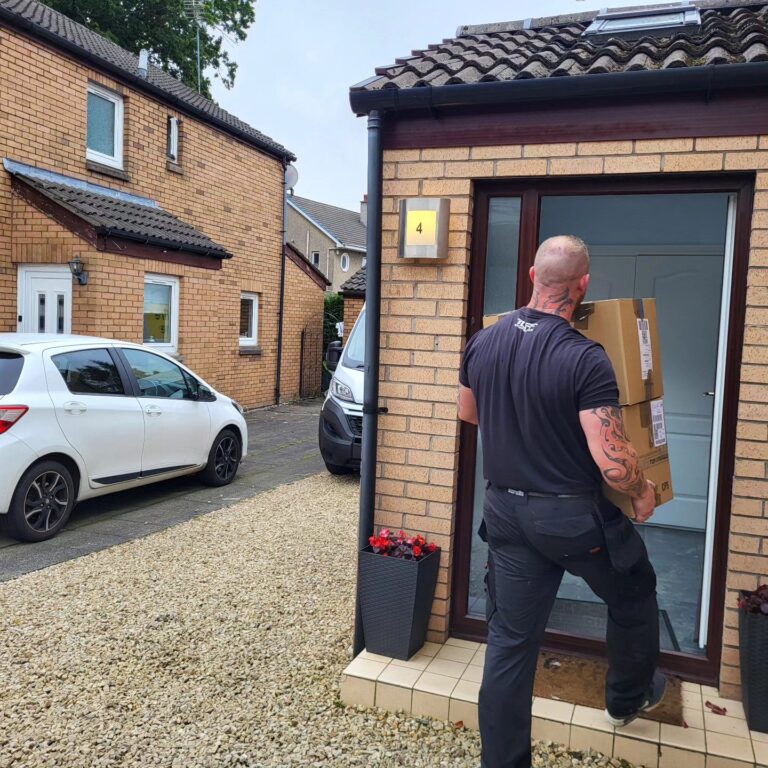
Moving house after a separation can feel very different from a standard move. It is not only about packing boxes, booking transport and changing address. It can involve emotion, uncertainty, time pressure, difficult conversations and practical decisions that need to be made carefully. Whether the separation is recent, planned or unexpected, moving out of a shared home can feel overwhelming.
There may be belongings to divide, paperwork to organise, furniture to measure and arrangements to make around children, pets, finances or shared responsibilities. You might also be trying to move quickly while still dealing with the emotional side of a relationship ending.
At Pivot Removals Ltd, we understand that some moves need extra care and discretion. We help customers across Glasgow and the surrounding areas move in a calm, practical and organised way. Whether you are moving from a shared house, flat, rented property or family home, our team can help make the physical move easier so you can focus on the next stage.
If you need professional home removals in Glasgow, this guide explains how to prepare for a move after separation and what steps can help reduce stress on moving day.
Give yourself time to plan where possible
Not every separation move allows for plenty of time. Sometimes a move needs to happen quickly because of a change in living arrangements, a tenancy deadline, a property sale or personal circumstances. However, if you do have time to plan, even a few days of preparation can make the move much easier.
Start by writing down what needs to happen before moving day. This gives you a clearer view of the task ahead and helps stop everything feeling tangled together.
Useful things to note include:
- Your moving date
- The address you are moving from
- The address you are moving to
- Which items you are taking
- Which items are staying
- Whether furniture needs dismantling
- Whether you need help packing
- Whether children or pets need arrangements
- Whether access or parking could be difficult
- Whether anything needs to be collected from storage
- Whether any important documents need to be kept separate
A written plan does not remove the emotional side of the move, but it can make the practical side feel more manageable. It also helps you communicate clearly with your removals team, family members or anyone else helping.
Decide what you are taking before packing
One of the most difficult parts of moving after a separation is deciding what belongs to whom. In some cases, this may be straightforward. In others, it can be complicated, especially if furniture, appliances or sentimental items were bought together.
Before you start packing, try to agree what you are taking where possible. This helps avoid confusion on moving day and reduces the risk of packing something that later causes disagreement.
Items to consider include:
- Bedroom furniture
- Living room furniture
- Kitchen appliances
- Cookware and utensils
- Children’s items
- Pet items
- Personal documents
- Clothing
- Books
- Electronics
- Tools
- Garden items
- Sentimental belongings
- Shared gifts
- Photos and keepsakes
If communication is difficult, it may help to keep the moving process focused and practical. Make a clear list of items you are taking and avoid making decisions in the middle of moving day where possible.
If legal or financial agreements are involved, follow the advice you have been given by the relevant professional. A removal company cannot decide who owns what, so the clearer the list is before the day, the smoother the move will be.
Keep important documents with you
When moving out after a separation, important paperwork can easily get mixed in with general boxes. Some documents may be needed quickly, especially if there are tenancy, mortgage, childcare, banking or legal matters to manage.
Keep important documents in a folder or bag that stays with you personally. Do not pack them into the removals van with general household items.
This may include:
- Passport
- Driving licence
- Birth certificates
- Marriage or civil partnership documents
- Tenancy agreement
- Mortgage paperwork
- Solicitor letters
- Court documents if relevant
- Bank paperwork
- Insurance documents
- Vehicle documents
- Utility account details
- Medical records
- School information
- Childcare documents
- Pet records
- Employment paperwork
It is also sensible to make digital copies of essential documents where appropriate. Store them securely so you can access them if needed.
When emotions are running high, knowing where your key documents are can provide peace of mind.

Pack personal items first
A good starting point is to pack your personal belongings before dealing with shared household items. This gives you a sense of progress and helps ensure the most important everyday items are kept together.
Start with things that are clearly yours, such as:
- Clothes
- Shoes
- Toiletries
- Personal electronics
- Books
- Jewellery
- Medication
- Work equipment
- Personal paperwork
- Hobby items
- Sentimental items
- Photos that belong to you
- Everyday essentials
Packing personal items first can make the rest of the process feel less overwhelming. It also means that, if the move happens quickly, you have the essentials ready.
Avoid overpacking boxes with heavy items. Books, files and kitchenware can become difficult to lift if packed into large boxes. Use smaller boxes for heavier belongings and larger boxes for lighter items such as bedding, clothes and towels.
Think carefully about sentimental belongings
Sentimental items can be particularly difficult during a separation. Photos, gifts, keepsakes, furniture and family items may carry emotional weight. Some items may bring comfort, while others may feel painful to deal with.
Try not to make rushed decisions about sentimental belongings if you can avoid it. If there are items you are unsure about, place them in a clearly labelled box to review later. This can help prevent regret.
For shared memories, such as photo albums or framed pictures, it may be possible to make copies or divide items fairly. If children are involved, consider what they may want to keep or what might help them feel settled in a new home.
A practical approach is to separate sentimental items into categories:
- Items you definitely want to take
- Items that should stay
- Items to discuss later
- Items that could be copied or photographed
- Items that may be better stored temporarily
- Items that belong to children
- Items that belong to wider family members
You do not have to solve every emotional decision before moving day. The priority is to keep the move safe, organised and respectful.
Arrange professional removals early
When moving after a separation, professional support can make a big difference. Trying to manage everything alone can increase stress, especially if you are moving furniture, appliances or a large number of boxes.
Booking a trusted Glasgow removal company means you have a team to handle the lifting, loading, transport and unloading. This can reduce the physical strain and help the day feel more structured.
When you contact a removals company, give as much information as possible, including:
- The moving date
- Both addresses
- The type of property
- Any stairs or lifts
- Parking arrangements
- The number of rooms
- Large furniture items
- Appliances being moved
- Any fragile or valuable items
- Whether packing help is needed
- Whether timing is sensitive
At Pivot Removals Ltd, we aim to make the process clear and straightforward. We understand that some moves need discretion and flexibility, especially when circumstances are personal.
Consider whether you need packing support
Packing can feel difficult when you are already dealing with a major life change. It can also be time-consuming if you are moving out of a shared home and trying to separate belongings carefully.
Professional packing support can help if:
- You need to move quickly
- You are short on time
- You feel overwhelmed
- You have fragile items
- You have a lot of belongings
- You are moving from a larger property
- You cannot manage the physical packing
- You want boxes organised clearly
- You need help with kitchenware, books or ornaments
Even if you prefer to pack personal and private items yourself, you may still want help with general household items. This can be a good balance, as it keeps sensitive belongings under your control while reducing the workload.
Make sure any boxes you pack yourself are clearly labelled. Mark fragile items and note which room each box should go to in your new home.
Plan the timing of the move carefully
The timing of a separation move can be important. In some cases, both people may be present. In others, it may be better to move when the other person is away, provided this has been agreed and is appropriate.
Consider what timing will make the move calmer and safer. This may depend on your relationship, communication, children, pets, property access or legal advice.
Think about:
- Whether everyone agrees to the moving date
- Whether keys and access are arranged
- Whether someone needs to be present
- Whether children should be elsewhere
- Whether pets need to be looked after
- Whether neighbours need to know
- Whether parking is easier at certain times
- Whether you need extra time to avoid rushing
If the situation is tense, it may help to have a trusted friend or family member present. The removals team can handle the physical move, but it is useful to have someone there who understands your circumstances and can support you personally.
Keep communication clear and calm
Where possible, keep communication about the move practical and written. This can reduce misunderstandings and provide a clear record of what has been agreed.
For example, you may want to confirm:
- The moving date
- The time the removals team will arrive
- Which items are being taken
- Which rooms need to be accessed
- Where keys will be left
- What will happen with shared items
- Whether anything needs to be avoided
- Whether children’s belongings are included
You do not need to discuss every detail emotionally. Sometimes a simple, factual message is best. If communication is not possible or safe, seek appropriate support from a trusted person or professional.
For the move itself, a clear item list can be very helpful. It gives everyone a shared reference point and helps the removals team know what should be loaded.
Make arrangements for children
If children are involved, the move may feel more sensitive. They may be confused, upset, unsettled or full of questions. The right approach will depend on their age and the circumstances of the separation.
From a practical moving point of view, it is usually best to keep children away from the busiest part of moving day if possible. Removals involve open doors, heavy lifting, vehicles, stacked boxes and lots of movement.
You may want to arrange for children to:
- Stay with a relative
- Spend time with a trusted friend
- Go to nursery or school as normal
- Visit the new home once key items are in place
- Keep a small bag of familiar items with them
- Have their bedroom items unpacked early
If your child is moving between two homes, make sure essential belongings are easy to access. This may include school uniform, medication, comfort items, chargers, favourite toys, books and sports kit.
Creating a familiar space quickly in the new home can help children settle.

Make arrangements for pets
Pets can also be affected by separation and moving house. They may become stressed by boxes, noise, open doors and changes in routine.
On moving day, pets should be kept safe and away from the main activity. Dogs and cats can easily slip out when doors are open. Smaller animals may be affected by noise and movement.
Consider arranging for pets to:
- Stay with a friend or family member
- Be kept in a quiet room
- Travel with you rather than in the removals van
- Have familiar bedding and toys nearby
- Be introduced to the new home gradually
- Keep their feeding routine as normal as possible
Pack pet essentials separately, including food, bowls, leads, bedding, litter, medication and vet information.
Prepare your new home before moving day
If you have access to your new property before the move, use the opportunity to prepare it. This can make arrival much easier and help you feel more settled.
Before moving day, try to:
- Clean key rooms
- Check utilities are working
- Make sure heating and hot water are available
- Check locks and keys
- Plan where furniture will go
- Measure rooms and doorways
- Set up broadband if possible
- Buy basic household supplies
- Prepare bedding
- Check parking and access
- Arrange any urgent repairs
If you are moving into temporary accommodation, a rented flat or staying with family, you may not be able to do everything in advance. Even so, knowing where your main items will go can help the move run more smoothly.
Pack an essentials box for the first few days
Moving after a separation can be tiring, and you may not feel like unpacking everything immediately. An essentials box can make the first few days easier.
Pack a box or bag that stays with you and includes:
- Medication
- Phone charger
- Toiletries
- A change of clothes
- Nightwear
- Towels
- Important documents
- Kettle
- Tea, coffee or basic drinks
- Snacks
- Plates, mugs and cutlery
- Cleaning wipes
- Toilet roll
- Basic tools
- Bedding
- Children’s essentials if needed
- Pet essentials if needed
This box should be easy to find as soon as you arrive. It can help you get through the first night without searching through multiple boxes.
Protect your privacy during the move
When separating, privacy matters. You may have personal letters, financial papers, work documents, diaries, photographs or digital equipment that you do not want handled by others unnecessarily.
Pack private items yourself and keep them clearly separate. Use sealed boxes or bags and transport the most sensitive items personally if you prefer.
This may include:
- Personal correspondence
- Financial documents
- Legal paperwork
- Work laptops
- Hard drives
- Medical information
- Journals
- Private photographs
- Password books
- Personal keepsakes
If you are receiving help from friends or family, be clear about what you want them to handle. It is okay to keep certain items private.
Avoid making moving day the day for difficult decisions
Moving day should be about moving, not deciding. If possible, avoid leaving major choices until the removals team arrives. This can create delays and increase stress.
Try to decide in advance:
- Which furniture is being moved
- Which boxes are yours
- Which appliances are going
- Which sentimental items are included
- Whether any items are being collected later
- Whether anything is going into storage
- What needs to be unloaded first
If there are unresolved items, keep them separate from the main move. A clearly labelled “to discuss later” area can prevent confusion and reduce tension.
Use storage if needed
Sometimes a new home is not ready or there is not enough space to make final decisions straight away. In these situations, storage may be useful.
Storage can help if:
- You are moving into temporary accommodation
- You are downsizing
- You need time to decide what to keep
- You are waiting for a property to complete
- You have furniture that will not fit yet
- You want to keep certain items safe during the transition
If storage is part of your plan, make sure boxes are labelled clearly and packed securely. Items going into storage may not be accessed for weeks or months, so do not include anything you might need urgently.
How Pivot Removals Ltd can help
At Pivot Removals Ltd, we know that moving after a separation can be sensitive. Our role is to make the removals process as straightforward as possible. We can help with the practical side of the move, from loading and transport to careful handling of furniture and boxes.
As a local team offering removals in Glasgow, we understand the importance of good planning, reliable timing and respectful service. We can work with the information you provide, help plan access and support a smooth moving day.
Whether you are moving from a flat, house, shared home or temporary property, we can help you get your belongings where they need to be with care.
Ready to Take the Next Step With Your Move?
Moving house after a separation is rarely easy, but the right support can make it feel more manageable. By planning early, keeping documents safe, agreeing what is being moved and preparing essentials for the first few days, you can reduce stress and create a clearer path forward.
You do not have to handle the physical move alone. Pivot Removals Ltd can help with a calm, organised removals service built around your situation.
If you are planning a move after a separation and need practical support from a trusted Glasgow team, you can contact Pivot Removals to discuss your move.