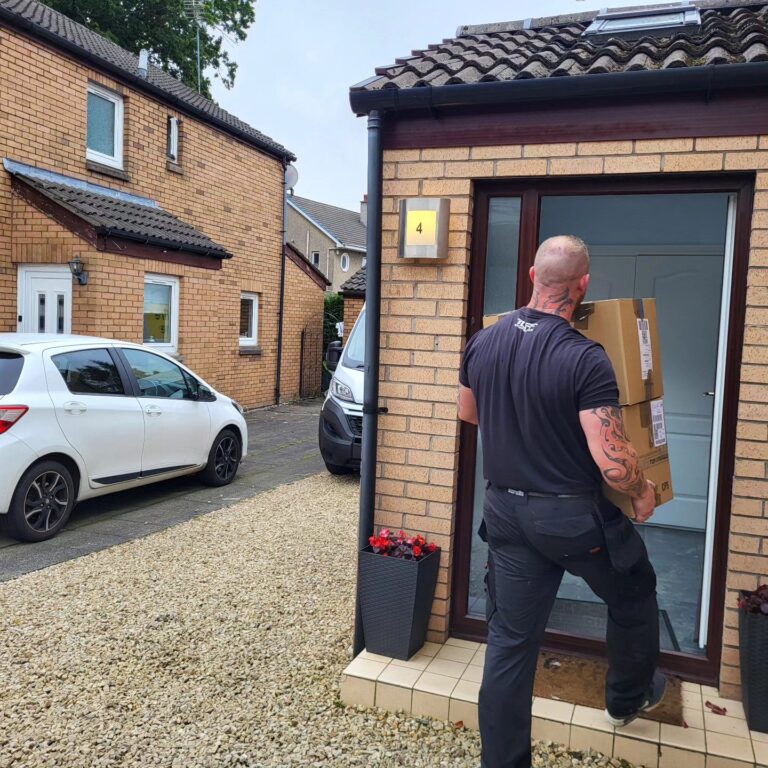
Packing is one of the most crucial steps when preparing for a move. It’s not just about getting everything from your old home to your new one, it’s about doing it efficiently and with as little stress as possible. The key to a smooth move lies in knowing what to pack first and what to leave until last. This simple yet effective strategy will save you time, reduce the chances of losing important items, and help you settle in faster when you arrive at your new home.
At Pivot Removals, we’ve helped many Glasgow residents move across the city, whether it’s from a cosy flat in the West End or a larger property in the Southside. From our experience, we’ve put together this comprehensive guide to help you understand the best packing sequence and provide helpful tips along the way.
1. Packing First: What You Need to Prepare Early
When it comes to packing, the key is to start with the things you don’t use every day. Packing these items first will help you stay organised and ensure you aren’t rushed when it comes to your move-out day.
1.1 Seasonal Items and Non-Essential Belongings
Start with items that are either seasonal or not needed on a daily basis. This could include:
- Winter or Summer Clothing: If you’re moving house in a different season, pack away seasonal clothing first. For example, bulky winter coats, scarves, and gloves can be packed well ahead of time if you’re moving in the summer. Likewise, if you’re moving in the colder months, pack away summer clothes such as shorts and swimsuits.
- Decorative Items: Things like artwork, photo frames, and seasonal decorations can be packed early. These items do not get used on a daily basis and can safely be packed ahead of time.
- Books and Magazines: If you have an extensive book collection or magazines you don’t read frequently, these can be packed into boxes. Label them clearly so you know exactly where to find them when you need them.

1.2 Items with Longer Dismantling Time
Some items need more preparation before they can be moved. This includes things like:
- Furniture: If you have large pieces of furniture that need to be disassembled, such as beds, wardrobes, or bookshelves, do so a few days before the move. Keep all screws and parts in clearly labelled bags taped to the respective items.
- Appliances: If you need to disconnect appliances such as your washing machine, dishwasher, or fridge, it’s better to take care of this a few days before the move. This will give you time to ensure everything is ready for transport, including defrosting your fridge/freezer.
1.3 Items You Don’t Use Frequently
This category includes everything from special occasion dishes to non-essential kitchen gadgets. Consider packing the following early on:
- Occasion-specific Kitchenware: Items like fine china, speciality glasses, or extra sets of cutlery that you only use occasionally can be packed early on. These should be carefully wrapped to avoid damage.
- Hobby Items: If you have sports equipment, musical instruments, or other hobby-related items that you don’t use daily, pack them early. You might not need them until you’re settled in your new home, so getting them out of the way early will save you time and space.
2. Packing Last: Essentials You Will Need on Moving Day and Beyond
Now that you’ve packed away the non-essential items, it’s time to think about what you will need during the final days of your current home and the first few days in your new one.
2.1 Essentials for the Final Days in Your Home
You’ll need to keep some basic items with you for the last few days in your old home, as well as during the move itself. These should be packed last, but they should also be easily accessible.
- Toiletries and Bathroom Items: Pack your essential toiletries, including toothpaste, soap, toilet paper, and other hygiene products. These are items you will need right up until the day of the move, so keep them in a separate bag or box.
- Clothing for Moving Day: Make sure you have a change of clothes ready for moving day. Consider comfortable clothing and shoes, as moving can be physically demanding. You’ll also need to keep an outfit for the next day, especially if you are arriving at your new home late.
- Important Documents: Gather documents like your passport, moving contract, medical records, and other important paperwork in a safe, easy-to-reach location. These should be carried with you on moving day rather than packed away in boxes.
2.2 Packing for the First Night in Your New Home
When you arrive at your new home, you’ll want to feel comfortable and settled, even if you haven’t yet unpacked everything. Packing some essential items to get you through the first night (and sometimes the first few days) will help make this easier.
- Bedding: Make sure to pack your bedding last. You’ll need a clean set of sheets, pillows, and blankets for the first night in your new home. Having these packed separately will make it easy to set up your bed when you arrive.
- Kitchen Essentials: Don’t forget to pack a small box with essential kitchen items that you’ll need right away. This should include a kettle, a few cups and plates, utensils, tea bags, coffee, and any other essentials for making meals or snacks. You may also want to include a few cleaning supplies so you can quickly tidy up the kitchen.
- Chargers and Electronics: Keep your phone charger, laptop, and other electronics in an easily accessible place. You will likely want to stay connected during the move, so ensure you have your chargers packed last and ready for use.
- Pet and Child Care Items: If you have pets or children, make sure to pack their essential items last as well. For pets, this includes their food, toys, and bedding, while children might need their favourite toys, clothes, and bedtime items for the first night.
2.3 Final Packing Tips
Here are a few additional packing tips to make your move as organised as possible:
- Use High-Quality Boxes: Invest in sturdy boxes to ensure your items are packed safely. Avoid using old or damaged boxes that may collapse during the move.
- Label Everything: Label each box with its contents and the room it belongs to. This will make unpacking easier and faster.
- Pack Heavy Items in Small Boxes: Don’t overload large boxes with heavy items. It’s better to pack heavy items like books in smaller boxes, as they are easier to carry and won’t break the box.
- Protect Fragile Items: Use bubble wrap or packing paper to protect delicate items like glassware, electronics, and fragile furniture. Make sure these items are packed securely to avoid damage during transport.

3. The Benefits of Packing in a Logical Sequence
Packing in a logical order makes the entire moving process less stressful. It allows you to work systematically, reducing the chances of losing important items or getting overwhelmed by a sea of boxes. By packing the non-essential items first, you create more space for the things you need to keep out until the last minute. Having a well-planned packing strategy allows you to move more efficiently, so you can focus on what matters most… getting settled into your new home.
4. Ready to Move? Let Pivot Removals Help
At Pivot Removals, we understand that moving can be a stressful process. With our experience in Glasgow, we offer reliable and professional moving services that make the packing, moving, and unpacking process as smooth as possible. Our team is trained to handle all kinds of moves, from the simple to the complex, and we’re here to ensure your move goes off without a hitch.